











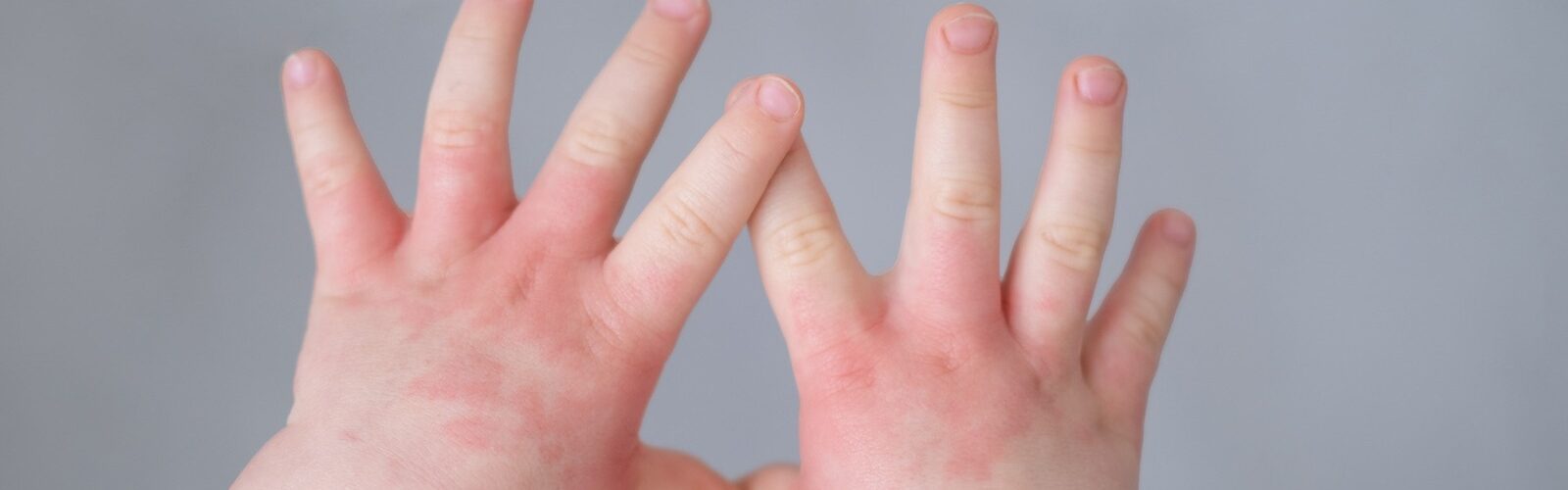

Atopic dermatitis affects 2 out of 10 children under the age of 5; see recommendations
Inflammatory disease is not contagious, usually appears in the first year of life and requires daily skin care
Atopic dermatitis affects around 2 in 10 children under the age of 5 in Brazil. According to the Brazilian Association of Allergy and Immunology (ASBAI), approximately 20% of children develop the disease, and 60% of cases manifest in the first year of life.
The condition is inflammatory, chronic and non-contagious. It usually persists until school age, with periods of improvement and worsening.
The main symptoms are dry skin, redness, irritation, peeling and intense itching. In babies and young children, the lesions usually appear on the face, trunk, arms and legs. In older children, they tend to concentrate in the folds of the body, such as behind the knees and on the elbows, with a drier, darker appearance.
According to the pediatrician and allergo-immunologist Persio Roxo Junior, A professor at USP's Ribeirão Preto Medical School and consultant for Biolab Farmacêutica, atopic dermatitis is related to genetic alterations that compromise the skin's protective barrier. This facilitates the entry of irritants and allergens, triggering inflammation.
“Dry skin itself causes itching. When the child itches, it makes it even easier for irritants to get in, increasing inflammation. It's a continuous cycle that can damage quality of life.”, explains the expert.
The disease can manifest itself continuously or in flare-ups. Among the factors that can trigger or aggravate symptoms are inhalant and food allergens, clothing made of wool or synthetic fibers, infections, emotional stress, pollution, sudden changes in temperature and prolonged bathing in hot water.
In summer, increased perspiration and frequent bathing can intensify irritation. In winter, low humidity and hot baths contribute to dry skin.
Important recommendations
The main recommendation is to keep constantly hydrated. The specialist recommends quick, lukewarm baths, avoiding the use of loofahs and giving preference to mild liquid soaps. Moisturizers with formulations rich in emollients, without fragrances and preservatives, help to restore the skin barrier.
It is also advisable to wash clothes with neutral or coconut soap and avoid fabric softeners. In some cases, it is necessary to investigate possible food allergies, such as to milk protein, especially in infants.
Although it is a chronic condition, atopic dermatitis can be controlled with medical monitoring and daily care. Proper guidance for parents and guardians is essential to reduce flare-ups and improve children's quality of life.
Check out the article at the link: Atopic dermatitis affects 2 out of 10 children under the age of 5; see recommendations