














When to See a Psychologist or Psychiatrist: Signs to Watch For, Especially for Those Who Already Manage Their Blood Pressure and Cholesterol
According to the IBGE’s 2019 National Health Survey, 10.2% of adults in Brazil reported having been diagnosed with depression by a mental health professional; among men, this percentage was 5.1%. Among women, this figure was even higher, reaching 14.7%—nearly triple that of men. When adult life becomes overwhelming, it’s important to know when to seek help from a psychologist or psychiatrist.
Another relevant finding: among those who already live with chronic conditions such as hypertension and dyslipidemia—dyslipidemia being defined as an imbalance in blood fat (lipid) levels, such as excess “bad” cholesterol (LDL) and triglycerides, or a lack of “good” cholesterol (HDL)—the prevalence of anxiety disorders and diagnosed depressive episodes in this same age group has been growing steadily. This scenario reveals a silent disconnect between what the body signals and what people allow themselves to recognize as a problem.
The question many people avoid asking themselves is a straightforward one: When do fatigue, constant irritability, sleepless nights, and a feeling of emptiness stop being just a “phase” and start requiring professional help? For those who already see a cardiologist, monitor their blood pressure, and keep their cholesterol in check, there may be a curious contradiction. Taking care of the body is a priority, but taking care of the mind may remain a source of resistance, often fueled by myths about what it means to see a psychologist or psychiatrist.
This article identifies the signs of a lack of emotional care, clearly explains the difference between a psychologist and a psychiatrist without establishing a hierarchy between the two professions, and connects mental health to the reality of those already receiving cardiovascular care. The goal is to provide practical guidelines for identifying when to seek support, using respectful language and without causing undue alarm.
Why Do So Many Men Delay Seeking Mental Health Help?
Men’s reluctance to talk about mental health is not an individual personality trait. It reflects a deep-rooted cultural construct, reinforced by decades of messages about what it means to “be strong.” For many middle-aged men, admitting to emotional distress feels like a sign of weakness, and seeking help from a mental health professional seems like a step reserved for extreme situations.
This barrier becomes even more apparent when compared to how naturally these same men visit their cardiologist. Checking blood pressure, measuring cholesterol, adjusting medication: all of this is part of a routine that carries less stigma. However, when it comes to anxiety, persistent insomnia, or a loss of interest in life, the pattern changes. The tendency is to downplay these issues, hope they’ll go away, or attribute them all to work-related stress.
The problem is that putting off seeking help has real consequences. Untreated anxiety and depression exacerbate cardiovascular risk factors, make it harder to adhere to treatment for chronic diseases, and progressively compromise quality of life. Recognizing this is not a sign of weakness. It is an informed decision about one’s own health.
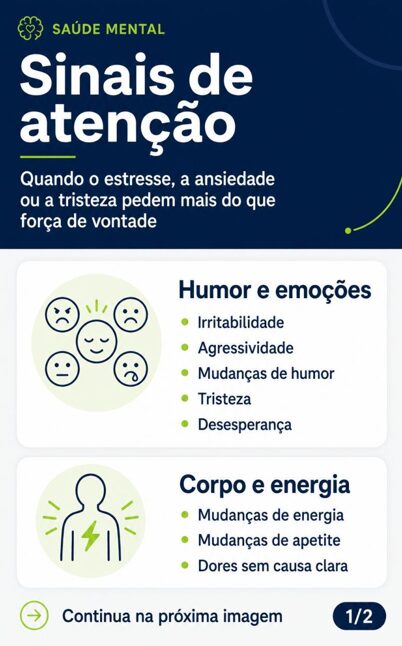
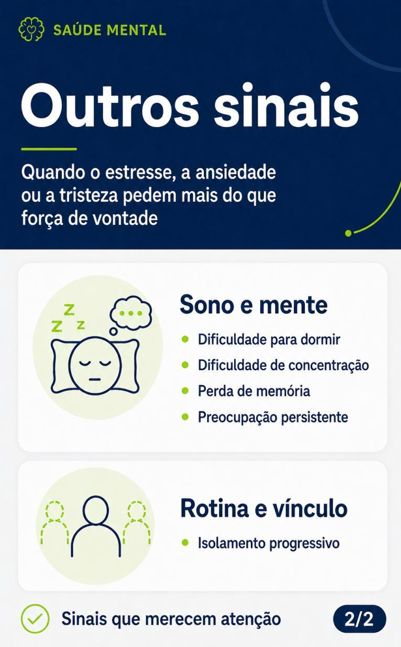
Signs that stress, anxiety, or sadness require more than just willpower
There is an important difference between going through a difficult week and experiencing several consecutive weeks of symptoms that do not subside. Knowing how to identify that line is the first step toward understanding when to see a psychologist or psychiatrist.
Certain symptoms warrant attention when they become frequent, persistent (for two weeks or more), and begin to affect your daily routine. The National Institute of Mental Health (NIMH) and the Ministry of Health list symptoms such as:
- Disproportionate irritability: intense reactions to situations that were previously manageable, affecting family and professional relationships.
- Sleep disturbances: difficulty falling asleep, repeated awakenings during the night, or sleep that does not restore energy, even when the number of hours seems adequate.
- Loss of interest or pleasure: activities that once brought satisfaction now seem uninteresting or tiring, including hobbies, socializing, and intimate relationships.
- Fatigue that cannot be explained by physical exertion: constant fatigue that does not improve with rest and that can be mistaken for the effects of heart medications.
- Difficulty concentrating and with memory: frequent forgetfulness, a feeling of having a “foggy mind,” and difficulty completing simple tasks.
- Recurrent physical symptoms with no identified clinical cause: headaches, muscle tension, digestive problems, and chest tightness that have already been evaluated by a cardiologist with no significant findings.
- Progressive isolation: a growing preference for being alone, avoiding social gatherings, and reducing communication with close friends and family.
- A feeling of hopelessness or emptiness: the perception that “nothing will get better” or that life has lost its meaning.
- Changes in mood, energy levels, or appetite for no apparent reason.
None of these signs, on its own, constitutes a diagnosis. However, when several of them coexist for more than two weeks and interfere with work, relationships, or self-care, it is time to consider seeking professional help (NIMH). Willpower is a valuable resource, but it is no substitute for a specialized evaluation.
Psychologists and Psychiatrists: What Each Does and When to See Each Professional
One of the most common questions is about the difference between a psychologist and a psychiatrist. This confusion, in and of itself, acts as a barrier: not knowing who to turn to, many people simply don’t seek help from anyone. The American Psychological Association (APA) explains the difference in the roles of psychologists and psychiatrists, and, in summary, we can conclude that:
What Does a Psychologist Do?
A psychologist is a professional with a degree in psychology who is qualified to provide psychotherapy. Their work involves active listening, identifying emotional and behavioral patterns, and using evidence-based therapeutic techniques to help patients understand and cope with their feelings. Psychologists do not prescribe medication.
Seeking out a psychologist makes sense when you realize that your emotional resources are depleted, when repetitive thoughts disrupt your daily routine, when personal or professional conflicts seem to have no resolution, or when you want to better understand your behavior patterns. You don’t have to be in crisis to start therapy.
What Does a Psychiatrist Do?
A psychiatrist is a physician who specializes in psychiatry. In addition to assessing emotional and behavioral aspects, a psychiatrist can order tests, make clinical diagnoses, and prescribe medications when necessary. A psychiatrist may also provide psychotherapy, although in practice, the use of medication is more common.
It is recommended to see a psychiatrist when symptoms are severe, persistent, or debilitating; when there is a suspicion that the condition requires medication; or when the psychologist identifies the need for a complementary medical evaluation.
Psychologist or psychiatrist: Do you have to choose?
No. The two approaches are complementary, not competing. In many cases, simultaneous care from a psychologist and a psychiatrist yields the best results. The psychologist manages the ongoing therapeutic process, while the psychiatrist adjusts medication as needed. The choice of which professional to consult first depends more on your current situation than on a fixed hierarchy.
Myths and truths about depression and anxiety that hinder those who need help
Misinformation about mental health is a real obstacle, especially for men over 45. Some myths persist and need to be clearly addressed.
“Depression is just an excuse or a lack of initiative”
Myth. The Pan American Health Organization (PAHO) defines depression as a common but serious disorder that interferes with daily life and the ability to work, sleep, study, eat, and enjoy life, and explains that it results from a combination of genetic, biological, environmental, and psychological factors.
In other words, depression is a clinical condition with a neurobiological basis. It involves changes in neurotransmitters such as serotonin, norepinephrine, and dopamine, as well as genetic, environmental, and psychological factors. It cannot be resolved through “positive thinking” alone or through effort and willpower alone.
“Anxiety is just nervousness. Everyone feels it.”
Partially true, but misleading. Anxiety is a natural response of the body. However, when it becomes chronic, disproportionate, and interferes with daily functioning, it ceases to be mere “nervousness” and becomes a disorder that warrants evaluation. The difference lies in the frequency, intensity, and impact on daily life. For the National Institute of Mental Health (NIMH), anxiety is considered a disorder when it involves persistent, excessive fear or worry that impacts daily life.
“Taking psychiatric medication is addictive and changes your personality”
Myth. Psychiatric medications prescribed and monitored by a psychiatrist follow strict safety protocols. The Mayo Clinic It explains that antidepressants are a common form of treatment for depression; they can reduce symptoms but may require adjustments depending on the patient’s response to treatment and the occurrence of side effects. For this reason, they must be prescribed and monitored by healthcare professionals, who assess the need for possible changes or discontinuation. The patient’s personality is not altered. The choice of medication, dosage, change in medication, or discontinuation should be guided by a healthcare professional.
“A man who seeks out a psychologist is weak”
Myth. Seeking professional help requires self-awareness and the courage to recognize one’s limits. The idea that mental health is an issue “for other people” directly contributes to the worsening of conditions that could be treated more easily if identified early.
“After middle age, sadness and discouragement are normal for that stage of life”
Myth. Although hormonal changes, retirement, losses, and life transitions can influence one’s emotional state, persistent sadness and a loss of pleasure are not inevitable consequences of aging. These are signs that warrant further investigation.
“If I’m already managing my blood pressure and cholesterol, I’m taking care of my health”
Partially true. Managing blood pressure and cholesterol is essential. But health is a holistic concept. Ignoring the emotional aspect can even compromise the results of cardiovascular treatment.
What Does Mental Health Have to Do with the Treatment of High Blood Pressure and High Cholesterol?
The link between mental health and cardiovascular health is supported by consistent evidence, as documented in articles by the American Heart Association (AHA). For those already living with hypertension or dyslipidemia, understanding this relationship is not merely an academic curiosity: it is practical information that can improve the quality of their care.
Anxiety and Depression as Cardiovascular Risk Factors
Studies published in leading journals, such as the Journal of the American Heart Association (AHA), indicate that chronic depression and anxiety are associated with an increased risk of cardiovascular events, including heart attack and stroke. The mechanisms involved include a sustained increase in cortisol, systemic inflammation, endothelial dysfunction, and excessive activation of the sympathetic nervous system.
Impact on treatment adherence
According to the National Institutes of Health (NIH), persistent depressive symptoms are associated with poorer adherence to health-promoting behaviors, including quitting smoking and attending cardiac rehabilitation. In other words, patients with depression or anxiety tend to adhere less to medication, neglect lifestyle changes recommended by their cardiologist, and miss follow-up appointments. When mental health is poor, the motivation to take care of one’s physical health decreases significantly.
Sleep, Stress, and Blood Pressure
Sleep quality is directly linked to blood pressure control. The U.S. Centers for Disease Control and Prevention (CDC) states that blood pressure decreases during normal sleep. When sleep problems occur, blood pressure may remain higher for longer periods. Chronic insomnia and fragmented sleep—common symptoms of anxiety and depression—contribute to blood pressure spikes and make it difficult to stabilize blood pressure levels throughout the day. Taking care of your sleep, therefore, means taking care of your heart (NIH).
For those already under a cardiologist’s care, including mental health in their routine care is not an “extra.” It’s part of the same commitment to their own health. Talking to your cardiologist about emotional symptoms can be the first step toward a more comprehensive approach.
Frequently Asked Questions About When and How to Seek Help from Psychologists or Psychiatrists
When should you see a psychologist or psychiatrist for the first time?
When symptoms such as persistent sadness, intense anxiety, insomnia, irritability, or loss of interest last longer than two weeks and affect your work, relationships, or self-care, you don’t have to wait for a crisis to seek help.
Can I see a psychologist first, without seeing a psychiatrist?
Yes. The psychologist is qualified to assess your condition, and if they determine that you need medication, they will refer you to a psychiatrist. The reverse is also true. There is no required order.
Can my cardiologist tell if I need mental health help?
It can, and in many cases, does. Cardiologists who take a holistic approach to patient care often investigate symptoms of anxiety and depression, especially when adherence to treatment is compromised or when complaints arise with no obvious clinical explanation.
Can anxiety and depression make high blood pressure worse?
Yes. Chronic anxiety and depression are associated with high blood pressure, elevated inflammatory markers, and an increased risk of cardiovascular disease. Addressing mental health directly contributes to blood pressure control.
Does therapy work for middle-aged men?
It works for people of any age. Studies such as the one by American Psychiatric Association (APA) studies show that evidence-based psychotherapy, such as cognitive-behavioral therapy, is effective for adults and older adults. Age is not a barrier to therapeutic benefits.
Do I need to tell someone that I'm in therapy or taking medication?
The decision is a personal one. Professional confidentiality ensures that your information remains protected. Sharing it with people you trust can be helpful, but it is not required.
How can I find a good psychologist or psychiatrist?
Check to see if the professional has an active license with the Regional Council of Psychology (CRP) or the Regional Council of Medicine (CRM). Ask your trusted doctor, including your cardiologist, for recommendations. Assess whether the professional uses evidence-based approaches and whether you feel comfortable during the consultation.
Some useful pages:
Ministry of Health — Psychosocial Care Centers (CAPS)
CAPS are public mental health services open to the community that provide a safe space for people experiencing psychological distress and support their day-to-day care.
https://www.gov.br/saude/pt-br/composicao/saes/desmad/raps/caps
Ministry of Health — Psychosocial Care Network (RAPS)
RAPS functions as an integrated network of services within the SUS for people experiencing mental distress or problems related to the harmful use of alcohol and other drugs.
https://www.gov.br/saude/pt-br/composicao/saes/desmad/raps
Taking mental health as seriously as you do blood pressure and cholesterol is a choice that protects your entire body. If you recognize yourself in any of the signs described in this article, consider taking the next step. Talking to a qualified professional can be the start of a significant change in your quality of life.