










Biolab Farmacêutica joins the UN Global Compact and strengthens ESG agenda
Adherence reinforces the company's strategy for efficient use of resources and reduction of environmental impacts
Biolab Farmacêutica, one of the ten largest pharmaceutical companies in Brazil, has joined the UN Global Compact, the world's most important corporate sustainability initiative. In Brazil, there are more than 2,000 organizations committed to adopting responsible practices in line with the global Sustainable Development Goals (SDGs).
Biolab's progress on the environmental agenda is consistent. Between 2024 and 2025, the company reduced its energy consumption from non-renewable sources by 94.77% and began using around 90% of energy from renewable sources, accelerating the energy transition.
Waste management is also showing significant progress. In 2024, 65% of the total generated was destined for recycling, an increase of 28,42% over the previous year. The Pouso Alegre (MG) industrial complex, designed with a focus on sustainability, started sending organic waste to composting plants and set a target of reducing the volume of waste per thousand units produced by 10%.
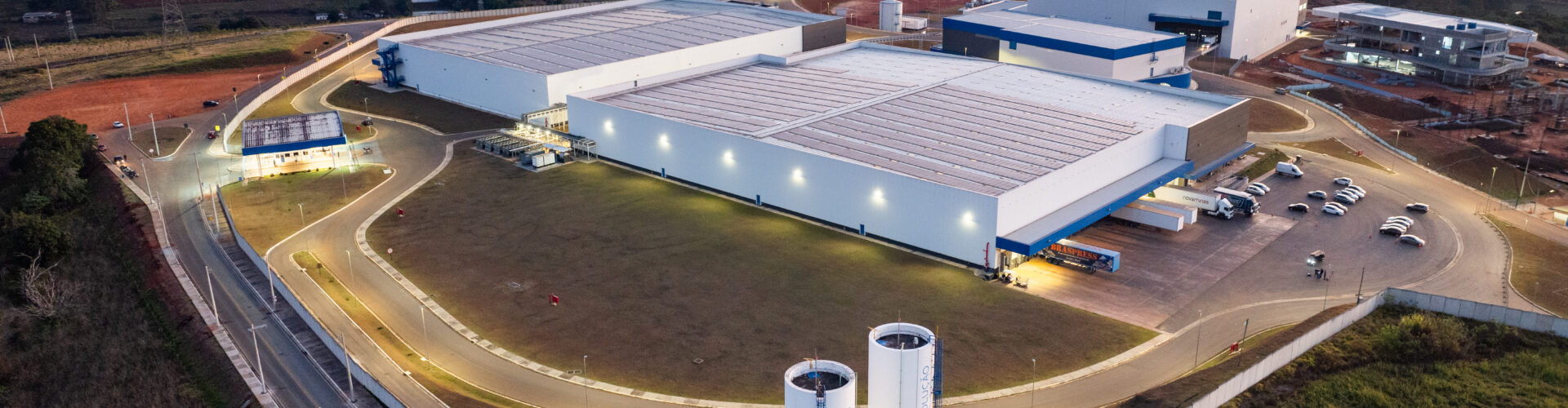
In terms of water management, 100% of the industrial effluents generated at Biolab's units are collected and treated in our own Effluent Treatment Plants (ETEs), guaranteeing environmental control and compliance with regulatory standards. The Pouso Alegre (MG) unit complements this strategy with a system that makes it possible to reuse 100% of the treated water, as well as having a reservoir with a capacity of 466,000 liters to capture and reuse rainwater, a volume intended for non-potable uses.
The unit also has energy efficiency solutions, such as photovoltaic panels, which will generate 7,291.31 GJ in 2024, LED lighting and bioclimatic architecture, which favor the use of natural light and efficient air conditioning.
“Our commitment is to integrate innovation, operational efficiency and environmental responsibility throughout the medicines production chain. Joining the Global Compact reflects a long-term vision of the impact we want to generate, with a focus on preventing impacts, using natural resources efficiently and encouraging the development of more sustainable technologies at every link in the process,” says Tati Marques, Biolab's Director of Communication, Education and Sustainability.