











A Practical Guide to Healthy Hair
What are the main signs of hair aging?
When we think about aging, it’s natural for our attention to focus almost exclusively on skin care. However, hair also has its own biological clock and is directly affected by the passage of time. Hair aging is a silent process that, if left unmanaged, can result in thinner, more fragile, and lifeless strands.
Preserving the youthfulness of your hair requires an approach that goes beyond immediate aesthetics. It involves caring for the health of the follicle and the structure of the hair shaft to ensure that your hair maintains its strength and density over the years.
What happens to hair over time?
Hair goes through natural cycles of growth, transition, and shedding. However, as we age and damage accumulates in our cells and DNA, this process begins to change. The hair follicle, which is responsible for producing hair strands, suffers from what is known as oxidative stress, caused by free radicals. This process leads to mild but continuous inflammation, which directly impacts the follicle’s function.
As a result:
- Reduced growth: The anagen (growth) phase becomes shorter, preventing the hair from reaching its previous length and thickness.
- Prolonged shedding: the interval between the shedding of one hair and the growth of the next increases, reducing overall density.
- Silent inflammation: Micro-inflammation on the scalp can compromise the quality of the keratin produced.
In practice, this means that hair falls out more quickly and takes longer to grow back, which leads to a reduction in hair density over the years.
Hair longevity is a comprehensive approach that aims to maintain the health, quality, and vitality of hair throughout all stages of life. More than just combating hair loss, it involves preserving hair density, promoting growth, protecting the hair shaft, and caring for the scalp.
Main Signs of Hair Aging
The aging of the hair system manifests itself in different ways, altering both the appearance and the biological structure of the hair strands. Although each individual responds uniquely, according to the article A Multifaceted View on the Aging of the Hair and Scalp, published in the journal Cosmetics, Some signs are observed more frequently:
- Appearance of white hairs (gray hair) For most people, this is the most noticeable sign. It occurs due to a reduction in melanin production by the hair follicle cells. In addition to the loss of color, white hair often has a stiffer texture and is less absorbent.
- Refinement and density reduction A notable characteristic is the decrease in hair shaft diameter. The hair gradually becomes thinner, resulting in an overall loss of volume. This process is linked to a reduction in metabolic activity within the follicle, which begins to produce less robust strands.
- Dryness and changes in texture There is also a loss of essential lipids, such as 18-MEA, which make up the hair strand’s natural protective barrier. The absence of this protection makes the hair rougher, duller, and more vulnerable to external damage, as the hair fiber loses some of its ability to retain moisture and reflect light.
Practical Strategies for Hair Longevity
Understanding how hair changes over time allows for the adoption of more effective care strategies, promoting longer-lasting hair. To maintain healthy hair for longer, it is necessary to establish a routine that protects both the integrity of the hair shaft and the vitality of the scalp, addressing three main areas.
Take Care of Your Scalp
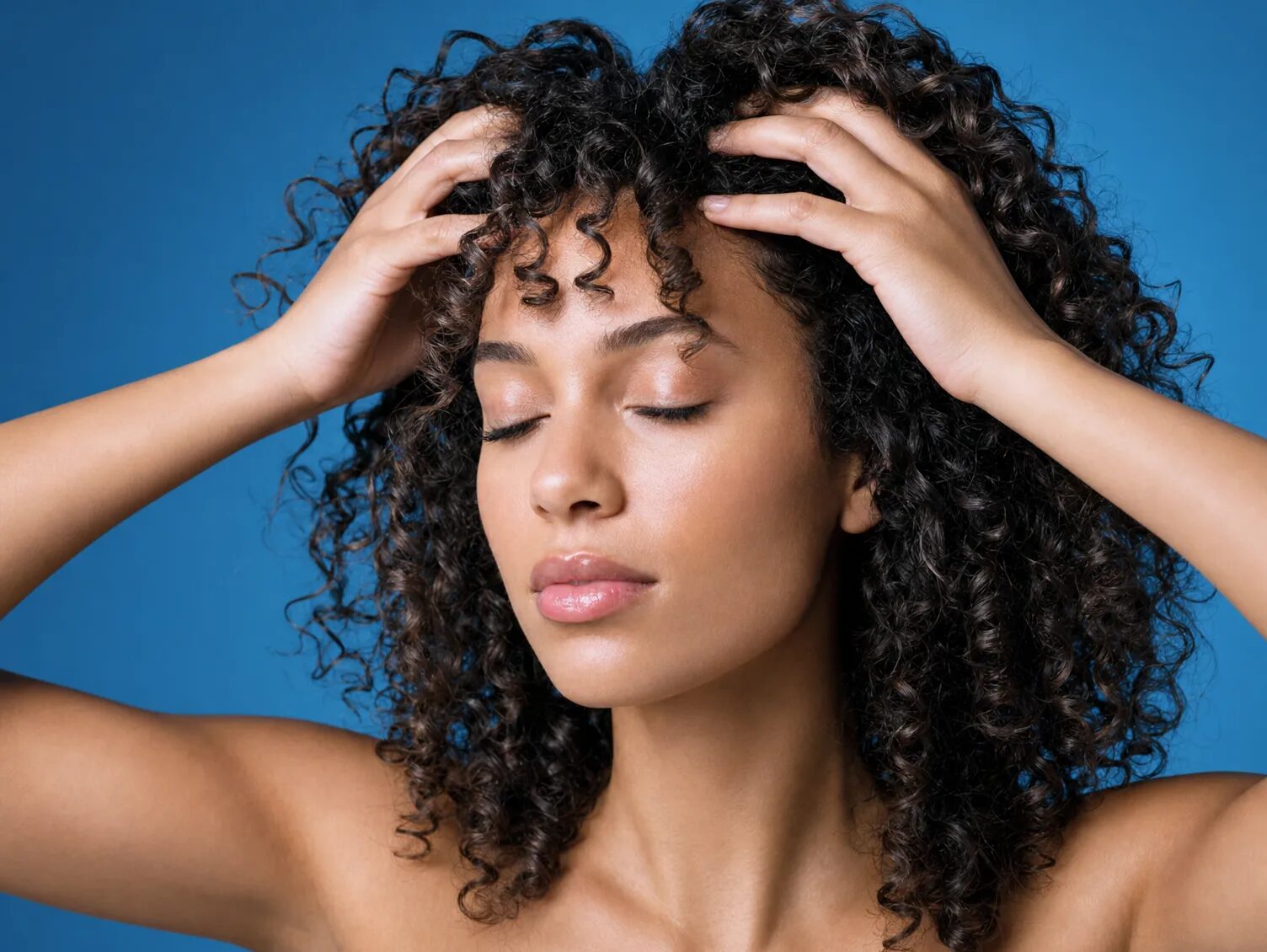
One of the proposed approaches to maintaining healthy hair lies in the concept of skinification, which suggests treating the scalp with the same care and attention as you would your facial skin. The central idea behind this approach is that keeping this area clean, moisturized, and balanced helps create an environment conducive to the growth of stronger hair.
Protection against external threats
Hair also suffers from what is known as extrinsic aging, caused by factors such as solar radiation, pollution, excessive heat (from hair dryers and flat irons), and chemical treatments. Protecting your hair helps preserve its structure and prevent cumulative damage.
Stress Management
Internal balance directly affects the health of hair follicles. Chronic emotional stress raises cortisol levels in the body; when present in excess, this hormone can disrupt the hair renewal cycle and accelerate hair loss. Adopting habits that promote mental well-being is, therefore, a biological strategy for preventing premature aging of the hair system.
Nutrition and the Role of Omega-3 in Hair Health
Hair health depends directly on the body’s internal balance. Since the hair follicle is one of the tissues with the highest metabolic activity in the human body, it requires a constant supply of essential nutrients to function properly. Proteins, iron, vitamins, and minerals form the basis of this “raw material.” According to an article published in the journal Journal of Cosmetology & Trichology, essential fatty acids, such as omega-3, play an important role in hair health.
Omega-3 may help:
- Cell membrane integrity: helps maintain the structure of the cells that make up the hair, helping to preserve the strength of the hair fiber.
- Natural hydration: helps produce healthy natural oils that combat the dryness and dullness associated with aging.
- Anti-inflammatory action: helps reduce micro-inflammation on the scalp, creating a more favorable environment for the hair growth cycle.
When these nutrients are lacking, the body may prioritize vital organs, resulting in symptoms such as more brittle hair, loss of shine, and flaking of the scalp. Therefore, a balanced diet and—when recommended by professionals—guided supplementation are essential steps for maintaining hair density and a healthy appearance over the years.
Want to learn more about how your habits affect your beauty? Read the article “Do habits, nutrition, and supplements affect the skin and hair?”
Take care of your hair today to maintain its health in the future
Hair longevity does not depend on a single action, but on a combination of ongoing care. Maintaining a routine to protect your hair, caring for your scalp, and investing in proper nutrition are important steps for preserving the health and appearance of your hair over the years. Future hair care begins with the choices you make every day.
Sources:
https://www.mdpi.com/2079-9284/12/6/284
https://www.mdpi.com/2077-0383/14/6/1894#Methods
https://www.hilarispublisher.com/open-access/assessment-of-nutritional-deficiencies-and-their-role-in-hair-and-scalp-disorders.pdf
https://academic.oup.com/bjd/article/193/Supplement_1/ljaf085.164/8161935