













Sleep Hygiene: Practical Habits for People with High Blood Pressure Who Want to Sleep Better
For people living with high blood pressure, poor sleep isn’t just about waking up tired—it means missing out on a natural window of cardiovascular protection, the period during which blood pressure is supposed to drop at night. According to the U.S. Centers for Disease Control and Prevention (CDC), this issue becomes even more critical for men over 45, because insufficient sleep, frequent snoring, nighttime awakenings, and daytime sleepiness can compound factors such as a sedentary lifestyle, being overweight, high cholesterol, and a family history of cardiovascular disease. This is where the importance of sleep hygiene comes in
The problem is that many people take poor sleep quality for granted. “I’ve always slept very little” or “I wake up several times, but I’ve gotten used to it” are common phrases heard in doctors’ offices. And this normalization hides a real risk: chronic sleep deprivation can increase the activity of the sympathetic nervous system, make it harder to control blood pressure, and interfere with metabolic mechanisms that also take a toll on the heart.
This guide brings together what science calls sleep hygiene: a set of practical, evidence-based habits that can be gradually incorporated into your routine. It’s not a magic formula, but rather concrete adjustments that can help control blood pressure, maintain metabolic balance, and improve your quality of life. If you’re over 45 and looking out for your heart, it’s worth paying attention to what happens between the moment you turn off the light and the moment your alarm goes off.
What Is Sleep Hygiene, and Why Is This Concept Important for People Who Take Care of Their Hearts?
Sleep hygiene is the term used in sleep medicine to describe a set of behaviors, habits, and environmental conditions that promote restful sleep. It is not a pharmacological treatment, but rather a set of practices that most people can incorporate into their daily lives, with adjustments based on age, routine, and health conditions.
For those living with hypertension or cardiovascular risk factors, this concept takes on special significance. According to the CDC, blood pressure typically undergoes a natural decline during sleep known as “nocturnal dipping,” which is associated with reduced cardiovascular strain. When sleep is fragmented or insufficient, this decline may not occur properly. The result is less-controlled blood pressure at night and a strain that can accumulate over time.
Taking care of your sleep hygiene, therefore, is not a luxury or a secondary recommendation. It is part of cardiovascular care, along with measures such as limiting salt intake, maintaining regular physical activity, monitoring your weight, taking medication as prescribed, and attending routine checkups.
How Poor Sleep Affects Blood Pressure, Cholesterol, and Cardiovascular Risk
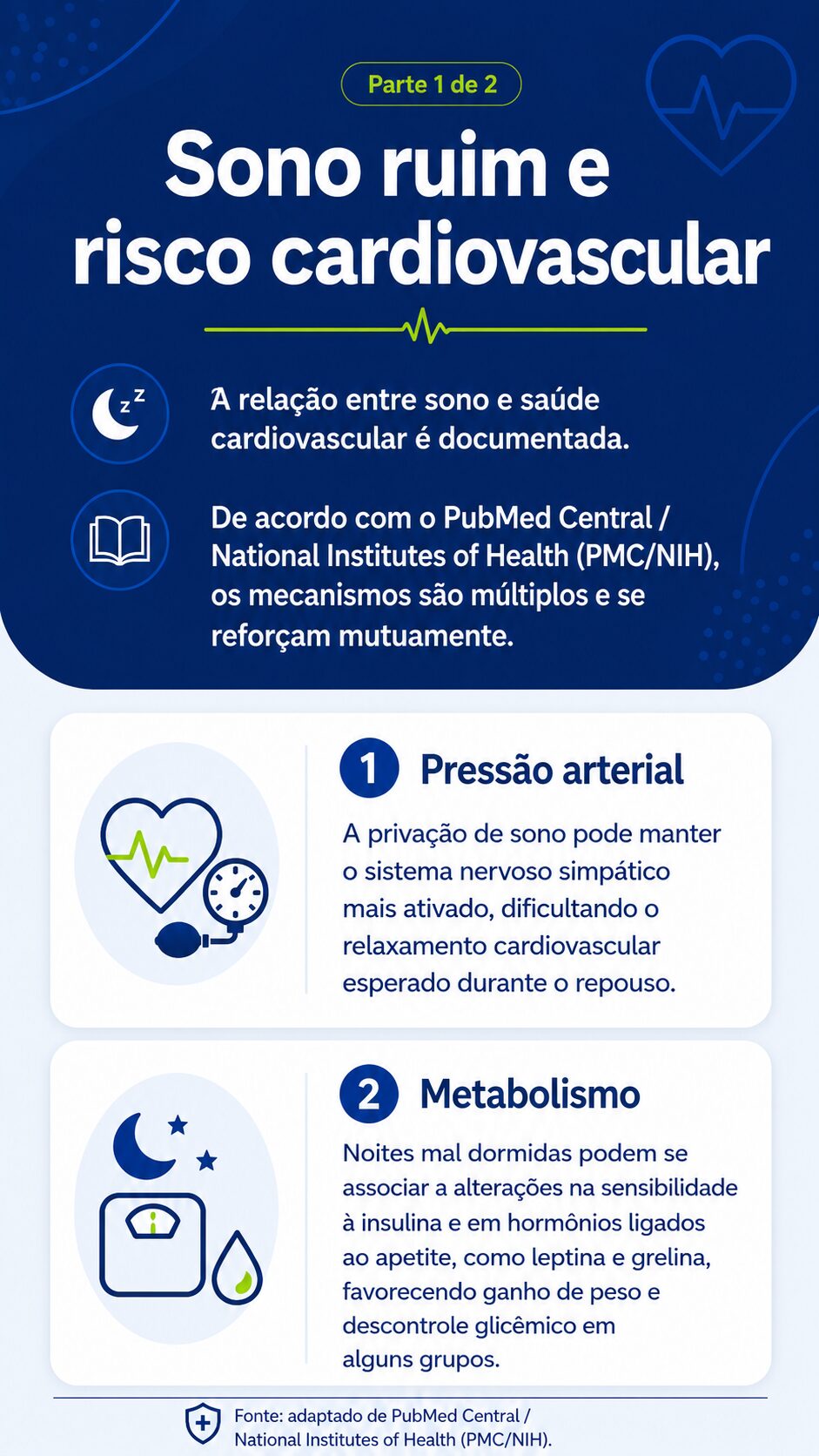
The link between sleep and cardiovascular health is well documented in robust studies. According to the CDC, adults who sleep less than 7 hours a night are more likely to report health problems associated with cardiovascular risk, such as high blood pressure, type 2 diabetes, obesity, and heart disease.
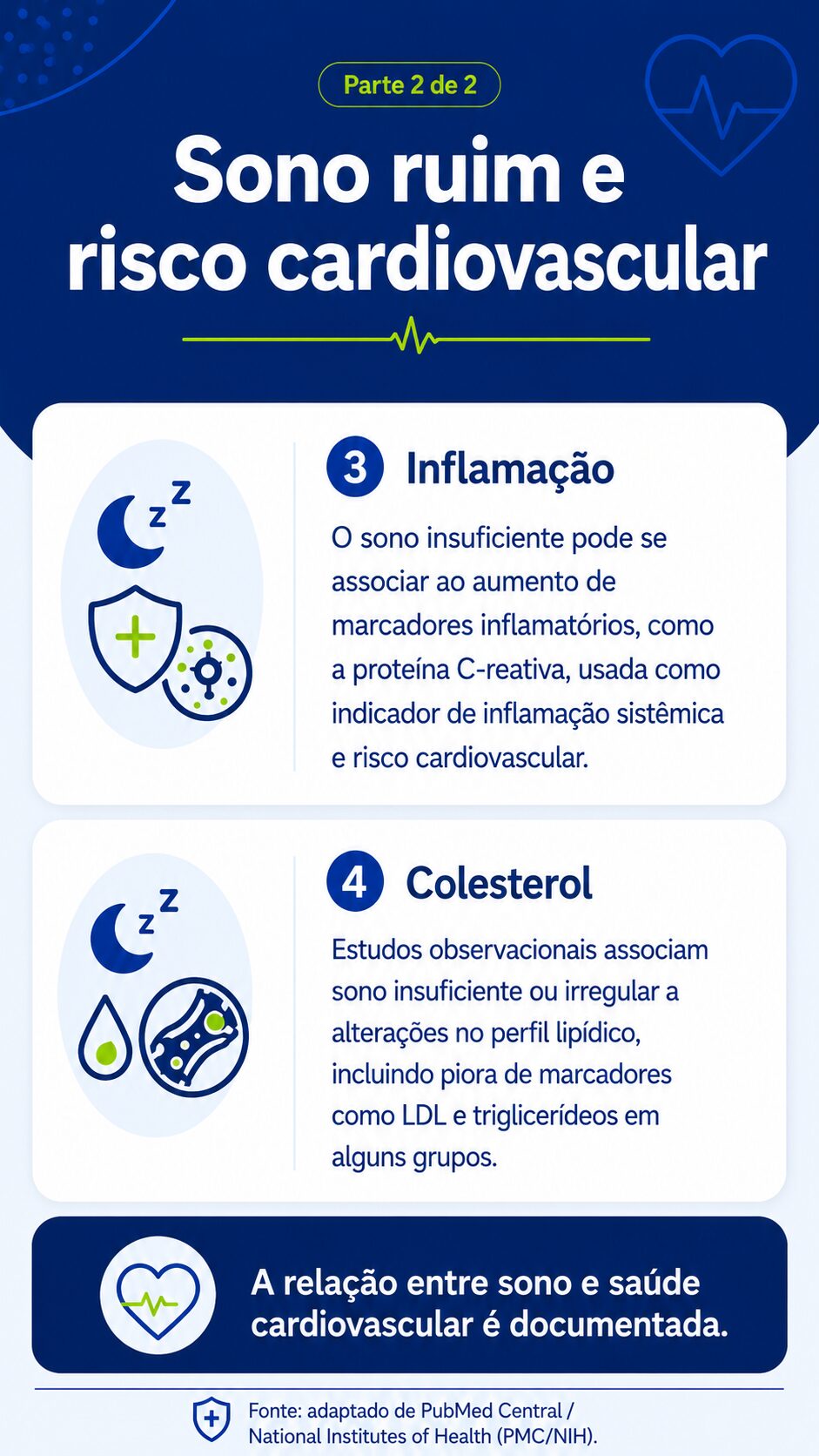
According to the PubMed Central / National Institutes of Health (PMC/NIH), the mechanisms are numerous and reinforce one another:
- Blood pressure: Sleep deprivation can keep the sympathetic nervous system more active, making it difficult for the cardiovascular system to relax as expected during rest.
- Metabolism: Poor sleep may be associated with changes in insulin sensitivity and in hormones linked to appetite, such as leptin and ghrelin, leading to weight gain and poor glycemic control in some groups.
- Inflammation: Insufficient sleep may be associated with increased levels of inflammatory markers, such as C-reactive protein, which is used as an indicator of systemic inflammation and cardiovascular risk.
- Cholesterol: Observational studies link insufficient or irregular sleep to changes in lipid profiles, including worsening levels of markers such as LDL and triglycerides in some groups.
In summary: poor sleep is not “just fatigue.” It is a modifiable risk factor that deserves attention as part of a cardiovascular care routine, especially when it occurs alongside high blood pressure, excess weight, a sedentary lifestyle, frequent snoring, or daytime sleepiness.
Sleep Hygiene Habits You Can Start Practicing Today
The good news is that sleep hygiene doesn’t require a major investment. These are practical adjustments that can be incorporated gradually. The recommendation is to start with two or three items and expand as the habit becomes established (Mayo Clinic/CDC/American Academy of Sleep Medicine – AASM):
- Stick to a regular schedule. Going to bed and waking up at similar times helps regulate your body clock. Large variations in sleep schedules can impair sleep quality, especially when they occur frequently.
- Limit your screen time a few hours before bed. The light and cognitive stimulation from cell phones, tablets, and computers can delay the sleep signal and make it harder to relax.
- Keep an eye on your caffeine intake. For many people, avoiding caffeine starting in the early afternoon helps reduce the risk of insomnia, since caffeine can remain active in the body for several hours.
- Create a dark, quiet, and comfortable environment. A cooler, darker, and quieter room tends to promote sleep. Whenever possible, adjust ventilation, lighting, and noise levels to make the environment more conducive to rest.
- Avoid heavy meals 2 to 3 hours before bedtime. Active digestion can disrupt sleep and worsen reflux, especially in people who are already predisposed to the condition.
- Limit your alcohol intake in the evening. Although alcohol can induce drowsiness, it disrupts important sleep stages and can contribute to increased snoring, nighttime awakenings, and elevated blood pressure in the early morning hours.
- Avoid turning your bed into an extension of your work, TV, or cell phone. Working, watching TV shows, or using your cell phone in bed weakens the mental association between that environment and sleep.
- Include a wind-down routine. Light reading, deep breathing, or a warm bath before bed can help signal to your body that the day is coming to an end.
Consistency matters more than perfection. A habit maintained over several weeks tends to yield better results than a single “perfect” night on its own.
Myths and truths about sleep that confuse people looking for information online
“I need to sleep exactly 8 hours a night.”
Partial myth. The recommended amount of sleep for adults is 7 to 9 hours, according to the National Sleep Foundation. The ideal amount varies from person to person. What matters most is consistency and quality, not a fixed number.
“If I can’t sleep, I should stay in bed and keep trying.”
Myth. Staying awake in bed for too long can increase sleep-related anxiety. If you don't fall asleep after about 20 minutes, the general advice is to get up, do something relaxing in another room, and return to bed when you start to feel sleepy (AASM/PMC).
“Loud snoring is normal after age 50.”
A dangerous myth. Severe snoring may be a sign of obstructive sleep apnea, a condition associated with an increased risk of resistant hypertension, arrhythmias, and stroke. It warrants medical evaluation, especially when accompanied by pauses in breathing, nighttime choking, or daytime sleepiness (American Heart Association – AHA).
“Physical exercise improves sleep.”
True. Regular physical activity improves the quality and duration of sleep. It is recommended to avoid intense exercise within 2 hours of bedtime, especially if it makes it difficult to relax (CDC).
“People with well-controlled high blood pressure don’t need to worry about sleep.”
Myth. Even when blood pressure is controlled with medication, poor sleep quality can hinder cardiovascular recovery during the night and maintain risks that warrant monitoring.
When trouble sleeping requires more than just a change in habits
Sleep hygiene is the first step, but it isn't always enough. There are situations in which difficulty sleeping may indicate a problem that requires professional evaluation.
Seek medical advice if you (CDC / AHA):
- It takes me more than 30 minutes to fall asleep most nights, even when I follow good sleep hygiene practices.
- He wakes up several times during the early hours of the morning and can't get back to sleep.
- You snore loudly, or your partner says you stop breathing at times during the night.
- You wake up with a morning headache, a dry mouth, a feeling of suffocation, or excessive fatigue.
- You experience excessive sleepiness during the day, even after what seems like enough sleep.
- You realize that trouble sleeping makes symptoms of anxiety, irritability, or low spirits worse.
Conditions such as obstructive sleep apnea, chronic insomnia, and restless legs syndrome can occur in this age group. Sleep apnea warrants special attention in people with high blood pressure, loud snoring, daytime sleepiness, or pauses in breathing during the night. An accurate diagnosis may require polysomnography and specialized follow-up. Lifestyle changes and medical treatment are not mutually exclusive: they often work best together.
Frequently Asked Questions About Sleep Hygiene and Cardiovascular Health
How many hours of sleep are recommended for people with high blood pressure?
The general recommendation for adults is 7 to 9 hours per night (CDC). For those living with hypertension, this range is particularly important because adequate sleep promotes the natural drop in blood pressure that occurs overnight. Consistently sleeping less than 6 hours has been linked to an increased risk of cardiovascular disease and can make it harder for some people to control their blood pressure. The ideal approach is to focus on maintaining a regular sleep schedule and ensuring quality rest, rather than fixating on an exact number of hours.
Does drinking tea to help you sleep replace good sleep hygiene?
No. Teas such as chamomile and valerian may have a mild relaxing effect on some people, but they are no substitute for the habits that make up a healthy sleep routine. A regular sleep schedule, light control, reducing stimuli before bedtime, and a suitable sleep environment have a more consistent impact on sleep quality. Teas can be part of a wind-down routine, but they should not be treated as a standalone solution (NCCIH).
Can blood pressure medication interfere with sleep?
According to the NCBI Bookshelf, base of the National Library of Medicine, some antihypertensive medications can affect sleep—either positively or negatively—depending on the class of medication, the dose, the time of administration, and the individual’s response. Some classes of medications, such as certain beta-blockers, may interfere with sleep in some patients. If you notice changes in your sleep pattern after starting or adjusting your medication, talk to your doctor. Never change doses or dosing schedules on your own.
Can just one night of poor sleep already affect your blood pressure?
A single night of poor sleep can cause a temporary rise in blood pressure the following day, especially in people who already have hypertension (NCBI). However, the most significant risk lies in chronic sleep deprivation. It is the accumulation of poor nights of sleep that can contribute to changes in blood pressure regulation, metabolism, and stress response, increasing cardiovascular strain over time. Therefore, the focus should be on establishing consistent habits.
Does exercising at night make sleep worse or better?
It depends on the intensity, the time of day, and the individual’s response. Light to moderate activities, such as walking or stretching, can promote relaxation. However, high-intensity exercise within two hours of bedtime can raise body temperature and heart rate, making it harder for some people to fall asleep (CDC). For people with high blood pressure, regular exercise is beneficial for both blood pressure and sleep, as long as the timing is adjusted to fit their individual routine and follows their healthcare provider’s guidance.
Taking care of your sleep is taking care of your heart. And it starts with small choices, made intentionally, night after night. If anything in this guide resonated with your routine, perhaps the next step is to pay attention to what happens between dinner and bedtime. That’s where most of the adjustments begin.