











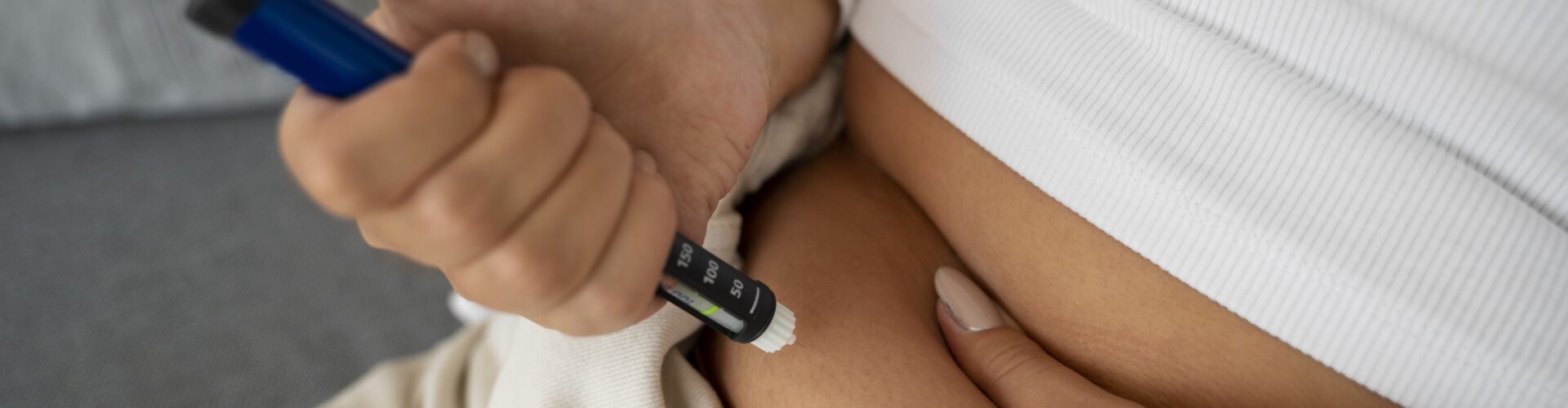

Rapid weight loss with pens or bariatrics increases the risk of gallbladder surgery by 15%
Accelerated weight loss caused by medication increases the likelihood of gallstones forming and may require surgery to remove the organ
Brazil has become one of the world's biggest markets for slimming pens, and for years the country has also had a high number of bariatric surgeries every year. The accelerated weight loss caused by these methods increases the risk of gallstones and other gallbladder complications. The warning comes from Dr. Luiz Turatti, director of the Type 2 Diabetes and Pre-Diabetes Department of the Brazilian Diabetes Society (SBD).
Sudden weight loss increases the risk of cholelithiasis, a condition characterized by the formation of gallstones. Rapid weight loss also causes inflammation and other hepatobiliary complications. Patients who lose weight quickly may need gallbladder removal surgery as a result of these complications.
Speed of weight loss determines severity of risks
Metabolism changes when weight loss is accelerated. The risk of complications increases considerably when you lose more than 1.5 kg per week. Losing more than 24% of initial body weight also increases the chances of gallbladder problems.
Other factors contribute to the onset of the condition. Women are more likely to develop the condition. Older age, pre-existing obesity, the presence of dyslipidemia and a family history of gallstones also increase the risk.
Patients undergoing rapid weight loss procedures are the most affected. Bariatric surgery and the use of slimming pens lead the risk situations.
"Studies indicate that up to 15% of patients undergoing bariatrics will later need surgery to remove the gallbladder," warns Dr. Turatti.
"Patients need to be warned that losing weight quickly is not without health risks. It is essential that the medical team carries out an individualized assessment and considers preventive strategies," the specialist stresses.
Prevention
Ursodeoxycholic acid (AUDC), recently launched by Biolab, aims to control the consequences on the gallbladder.
"Ursodeoxycholic acid helps to reduce the saturation of bile with cholesterol, reducing the formation of stones. It's an effective, safe treatment that can prevent serious complications. However, there is still a need for clear guidelines to guide doctors and patients," says Dr. Turatti. "What's worrying is that there are many patients without adequate follow-up and information. Knowledge is our greatest tool for avoiding serious problems," he adds.
The International Federation for the Surgery of Obesity and Metabolic Disorders (IFSO) and the American Society for Metabolic and Bariatric Surgery (ASMBS) published guidelines in 2022 with recommendations that broaden the criteria for bariatric surgery. The organizations also reinforce preventive measures for gallbladder problems after the procedure.
The guidelines simultaneously emphasize the need to prevent gallbladder-related complications in the postoperative period. The measures were designed to update the parameters for surgical indication and to establish actions that reduce the risk of biliary complications associated with the bariatric procedure.
The recommendations impact patients who are candidates for bariatric surgery and those who have already undergone the procedure and guide medical teams working in this area.
The guidelines also recommend the use of oral ursodeoxycholic acid (AUDC). The recommended doses are 500 to 600 mg a day, continuously. The drug is associated with a reduced risk of gallstone formation.
"It's essential to identify those who are most at risk, closely monitor these patients and study safe ways of prevention, ensuring greater safety and health during the weight loss process," says Dr. Turatti.
Access the article via the link: Rapid weight loss with pens or bariatrics increases the risk of gallbladder surgery by 15%